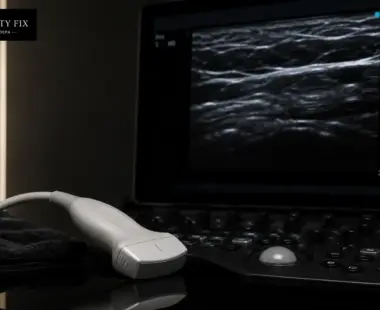
Ultrasound in Aesthetic Injections: Why We Use It at The Beauty Fix in Scottsdale
One of the biggest changes in my practice over the past several…

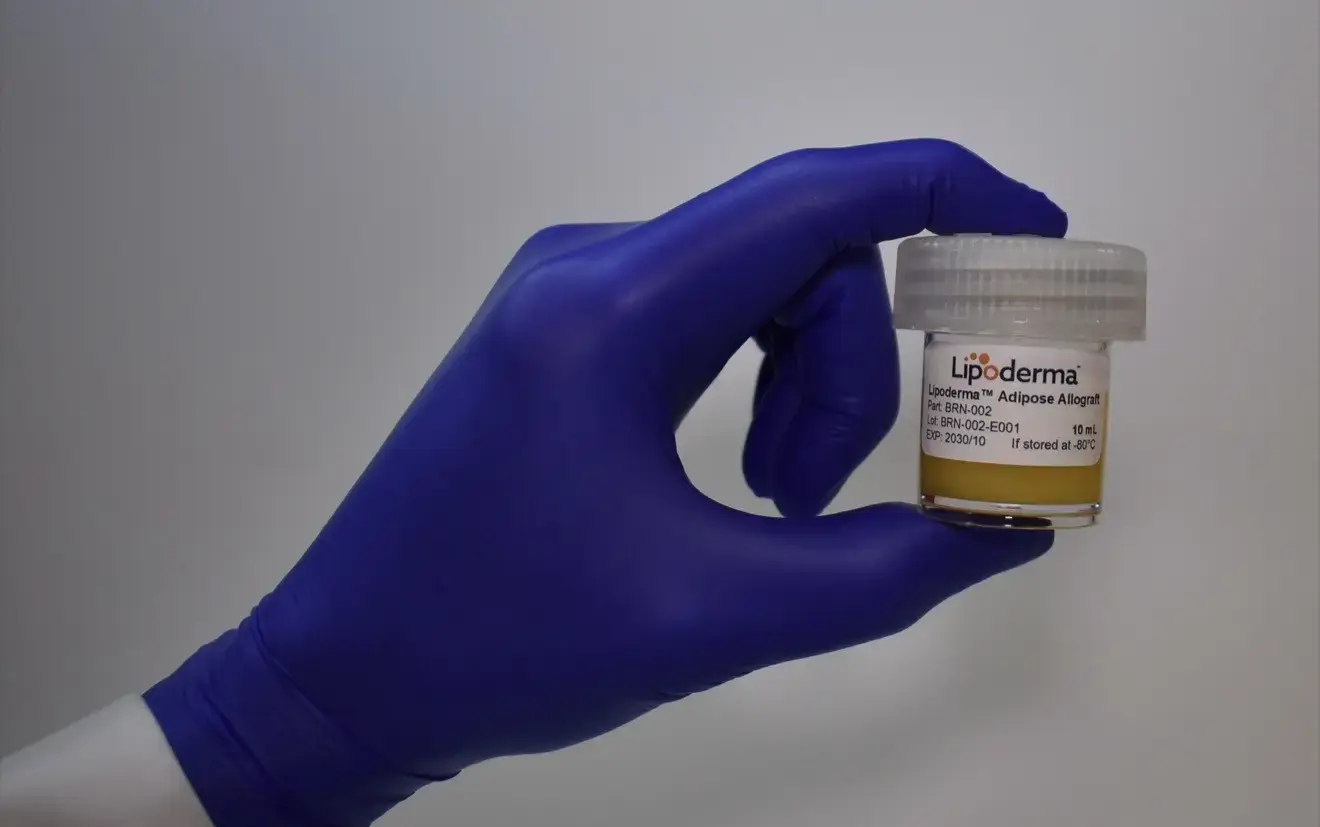
If you’ve been searching for Lipoderma in Scottsdale, you may have noticed there still isn’t much information about this newer biologic treatment. Lipoderma is an advanced regenerative option designed to restore aging facial tissue in a way that works with the body’s own biology. So what exactly is Lipoderma, how is it different from traditional filler, and who is it for?
Let’s break it down.
For years, the conversation in medical aesthetics centered on two primary strategies: adding volume (with dermal fillers) or stimulating the body’s own collagen (with biostimulators like Sculptra and Radiesse). Both are excellent tools — and we still use both here at The Beauty Fix.
But there’s a third category that has been quietly transforming what’s possible in facial rejuvenation. It’s called biologics — and Lipoderma is one of the most exciting entries into this space that I’ve seen in my 16 years in aesthetics.
A quick clarification: Lipoderma is not lipedema. Although the names sound similar, lipedema is a medical condition involving abnormal fat distribution, while Lipoderma is a biologic aesthetic treatment used for facial tissue and volume restoration.
Lipoderma is a biologic treatment — meaning it’s derived from human tissue and works by supporting and restoring the body’s own biology, rather than introducing a synthetic material.
What makes Lipoderma uniquely remarkable is its composition:
That ratio matters. A lot.
Adipose tissue — the fat beneath your skin — isn’t just filler material. It’s a biologically active environment rich in growth factors, stem cell-like progenitor cells, and regenerative signals. When we’re young, it’s abundant. As we age, we lose it, and not just in volume, but in function. The tissue thins, loses vitality, and the scaffold that holds it in place begins to break down.
Lipoderma is designed to address exactly that.
The extracellular matrix — the ECM — is the architectural framework of healthy tissue. It’s a complex web of proteins and signaling molecules that tells cells where to go, how to behave, and how to communicate with one another.
When that framework is intact, tissue thrives. When it degrades — as it does with age, sun exposure, and stress — cells lose their roadmap. Structure softens. Volume deflates. The face begins to look less like itself.
By combining a high concentration of adipose-derived cells with this structural ECM scaffold, Lipoderma doesn’t just add — it restores. It provides the cells and the environment those cells need to thrive, long term.
What Does Lipoderma Actually Do for Your Face?
In clinical practice, Lipoderma is used to:
Lipoderma tends to resonate most with patients who feel like something has changed in their face but they can’t quite put their finger on what. The skin looks a little less luminous. The cheeks feel slightly hollower. The overall quality and vitality of the face has shifted.
These are the hallmarks of tissue aging — not just volume loss, but biological aging at the tissue level. And this is exactly where Lipoderma works best.
It’s also a beautiful option for patients who want results that look genuinely natural — because the material itself is natural, working with your body rather than sitting inside it.
A Note from Angelica
For patients researching Lipoderma in Scottsdale, a consultation can help determine where facial tissue has changed and whether a biologic approach makes sense for their anatomy and goals.
One of the biggest changes in my practice over the past several…

Facial fat restoration is becoming an important part of treating facial aging…
Sometimes your skin doesn’t need another injectable. It needs attention. DiamondGlow Scottsdale…

Sign up with your email address to receive news, promotions, and updates.